Child marriage has been a long-standing social issue in India, deeply rooted in tradition, poverty, and lack of education. Despite significant progress in education and awareness, the practice still exists in certain parts of the country, affecting the lives of millions of children—especially girls. Early marriage not only disrupts education but also exposes children to serious health, emotional, and economic challenges.
To address this critical issue, the Indian government introduced the Child Marriage Prohibition Act, 2006. This law replaced earlier legislation and brought stricter provisions to prevent child marriages and punish those involved. It represents a major step toward safeguarding children’s rights and ensuring a better future for them.
Understanding the child marriage prohibition act is essential for parents, educators, and society at large. This article explores its key provisions, punishments, importance, and the broader impact it has on society.
What Is the Child Marriage Prohibition Act?
The child marriage prohibition act is a legal framework in India designed to prevent the solemnization of marriages involving minors. It defines a “child” as a male below 21 years of age and a female below 18 years of age. Any marriage involving individuals below these ages is considered a child marriage under the law.
Unlike earlier laws, this act does not merely discourage child marriage—it actively prohibits it and introduces punitive measures against those who promote or perform such marriages. It also empowers courts to take preventive actions and provides protection to victims.
The law recognizes that child marriage is not just a cultural issue but a violation of human rights. By setting clear legal standards and consequences, it aims to eliminate this practice and protect vulnerable children.
Objectives of the Child Marriage Prohibition Act
The primary goal of the child marriage prohibition act is to eradicate child marriage from Indian society. However, its scope goes beyond mere prohibition. It also focuses on protection, prevention, and rehabilitation.
The act aims to:
- Prevent the solemnization of child marriages
- Protect children from exploitation and abuse
- Provide legal remedies to victims
- Promote awareness and social change
By addressing both legal and social dimensions, the law works as a comprehensive tool to combat child marriage.
Key Provisions of the Act
Definition and Age Criteria
The child marriage prohibition act clearly defines the legal age for marriage—21 years for males and 18 years for females. Any marriage conducted below these ages is considered illegal under the law.
This clarity removes ambiguity and ensures uniform enforcement across the country. It also aligns with international standards for child protection.
Voidable and Void Marriages
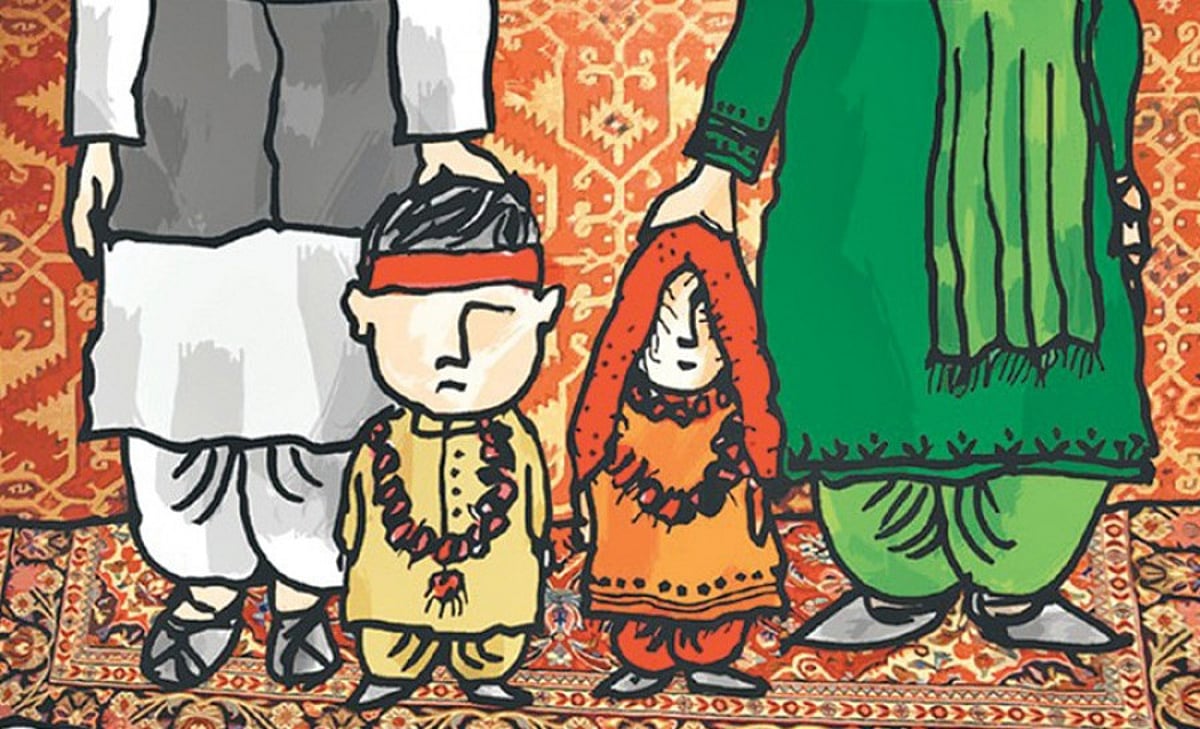
One of the important aspects of the child marriage prohibition act is its classification of marriages as either voidable or void. A child marriage is generally voidable at the option of the minor involved. This means the individual can choose to annul the marriage upon reaching adulthood.
However, in certain serious cases—such as forced marriage, trafficking, or exploitation—the marriage is considered completely void. This ensures stronger protection for victims in extreme situations.
Role of Child Marriage Prohibition Officers
The act introduces Child Marriage Prohibition Officers (CMPOs), who play a crucial role in enforcing the law. These officers are responsible for preventing child marriages, collecting evidence, and raising awareness in communities.
Their presence ensures that the law is not just theoretical but actively implemented on the ground.
Punishments Under the Act
The child marriage prohibition act includes strict penalties to deter individuals from participating in child marriages. These punishments apply to various parties involved in the act.
Who Can Be Punished?
The law holds multiple individuals accountable, including:
- Adult males marrying a minor
- Parents or guardians who arrange the marriage
- Priests or persons conducting the ceremony
- Anyone promoting or permitting child marriage
Types of Punishments
The penalties under the child marriage prohibition act are designed to be stringent enough to discourage the practice.
| Offense Type | Punishment |
|---|---|
| Adult marrying a minor | Up to 2 years imprisonment or fine |
| Parents/guardians involvement | Imprisonment and/or fine |
| Conducting child marriage ceremony | Legal punishment under the act |
| Promoting or allowing child marriage | Punishable offense |
These penalties highlight the seriousness with which the law treats child marriage and aim to create a strong deterrent effect.
Legal Rights of Victims
The child marriage prohibition act provides several rights and protections to victims. These provisions ensure that children affected by such marriages are not left helpless.
A minor who has been married can file a petition to annul the marriage after reaching adulthood. The law also ensures that the child is entitled to maintenance and residence until remarriage or self-sufficiency.
In addition, custody of children born out of such marriages is determined based on their best interests. This ensures that the rights of both the victim and any children involved are protected.
Importance of the Act in Modern India
The child marriage prohibition act plays a crucial role in modern Indian society by addressing a deeply ingrained social issue. It not only provides legal protection but also promotes social awareness and behavioral change.
Child marriage often leads to early pregnancies, health complications, and discontinuation of education. By prohibiting such practices, the law helps improve the overall quality of life for children, especially girls.
Moreover, the act supports gender equality by ensuring that girls have the opportunity to pursue education and careers before marriage. It aligns with national and international goals for child welfare and women’s empowerment.
Challenges in Implementation
Despite its strong provisions, the child marriage prohibition act faces several challenges in implementation. Social norms, poverty, and lack of awareness often hinder its effectiveness.
In many rural areas, child marriage is still considered a tradition, making it difficult for authorities to intervene. Additionally, cases often go unreported due to fear of social stigma or family pressure.
Another challenge is the lack of sufficient enforcement personnel and resources. While Child Marriage Prohibition Officers play a key role, their reach is sometimes limited.
Addressing these challenges requires a combination of legal enforcement, education, and community engagement.
Government Initiatives and Awareness Programs
To support the child marriage prohibition act, the government has launched various initiatives aimed at raising awareness and promoting education.
Programs focused on girls’ education, financial incentives for delaying marriage, and community awareness campaigns have shown positive results in many regions. These efforts complement the law and help create a supportive environment for its implementation.
Non-governmental organizations (NGOs) also play a significant role in spreading awareness and providing support to affected children.
Impact on Society
The child marriage prohibition act has had a noticeable impact on Indian society over the years. While the practice has not been completely eradicated, there has been a significant decline in child marriage rates.
The law has empowered individuals to speak against such practices and seek legal protection. It has also encouraged families to prioritize education and delay marriage.
In the long run, the act contributes to a healthier, more educated, and economically stable society. By protecting children, it lays the foundation for sustainable development.

FAQs
What is the legal age for marriage under the child marriage prohibition act?
Under the child marriage prohibition act, the legal age for marriage is 21 years for males and 18 years for females. Any marriage below this age is considered illegal.
Is a child marriage completely invalid?
Not always. Most child marriages are considered voidable, meaning they can be annulled by the minor after reaching adulthood. However, in certain cases involving force or exploitation, the marriage is declared void.
Who can file a complaint under this act?
A complaint can be filed by the child involved, their guardians, or any concerned individual, including social workers or NGOs.
What punishment is given for child marriage?
The child marriage prohibition act prescribes imprisonment of up to two years, a fine, or both for individuals involved in conducting or promoting child marriage.
Can a married minor get legal support?
Yes, the act provides legal support, including maintenance, residence, and the right to annul the marriage upon reaching adulthood.
Conclusion
The child marriage prohibition act is a powerful legal tool designed to eliminate child marriage and protect the rights of children in India. By setting clear age limits, imposing strict penalties, and providing support to victims, the law addresses both the legal and social aspects of this issue.
However, laws alone cannot bring about complete change. The success of the child marriage prohibition act depends on collective efforts from society, government, and individuals. Awareness, education, and community participation are essential to ensure its effective implementation.
Read More:-Child Marriage in India: Causes, Laws, Effects & Solutions
