Child marriage in India remains one of the most persistent social challenges despite decades of legal reforms and awareness campaigns. Although the country has made significant progress in reducing the rate of early marriages, the practice still exists in many parts of society, particularly in rural and underprivileged communities.
At its core, child marriage in India is not just a legal issue—it is deeply connected to cultural traditions, economic conditions, and gender inequality. The consequences are severe, affecting not only the lives of young girls but also the overall development of society. Understanding the causes, laws, impacts, and solutions is essential to addressing this problem effectively.
What is Child Marriage in India?
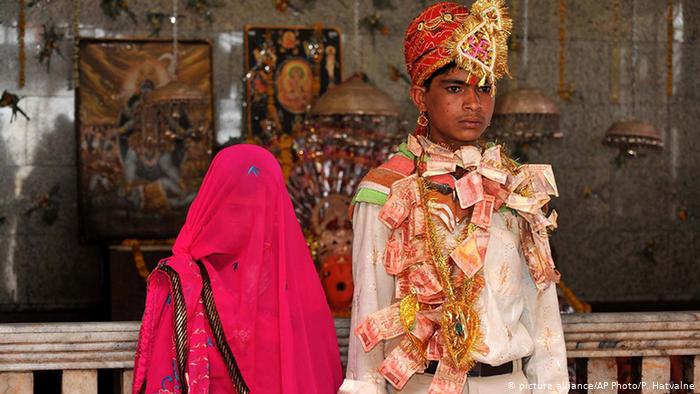
Child marriage in India is defined as a marriage where either the bride is below 18 years or the groom is below 21 years. Despite being illegal, such marriages continue due to social acceptance and lack of strict enforcement in some areas.
This practice often denies children their basic rights, including education, health, and freedom of choice. In many cases, young girls are forced into marriages without their consent, making it a violation of human rights as well.
Causes of Child Marriage in India
Poverty and Economic Pressure
One of the primary drivers of child marriage in India is poverty. Families struggling financially often see marriage as a way to reduce their economic burden. Marrying off a daughter early means one less person to support, and in some cases, it also reduces dowry expenses.
Lack of Education
Education plays a crucial role in delaying marriage. However, in many regions, access to education is limited, especially for girls. When girls drop out of school, they become more vulnerable to early marriage.
Social Traditions and Cultural Norms
In many communities, child marriage in India is considered a traditional practice. Families often follow customs without questioning them, believing early marriage protects family honor and ensures social acceptance.
Gender Inequality
Deep-rooted gender discrimination is another major factor. Girls are often viewed as less valuable than boys, and their primary role is seen as marriage and household responsibilities.
Safety Concerns
In some cases, parents marry off their daughters early to protect them from harassment or violence. Ironically, this decision often exposes them to greater risks.
Legal Framework Against Child Marriage in India
India has implemented strict laws to curb child marriage. The most important legislation is the Prohibition of Child Marriage Act, 2006.
Key Provisions of the Law
- Marriage below legal age is punishable
- Child marriages can be declared void or voidable
- Parents and facilitators can face legal action
- Protection and maintenance for victims
Punishments
| Offense | Punishment |
|---|---|
| Conducting child marriage | Imprisonment up to 2 years + fine |
| Promoting child marriage | Imprisonment + financial penalty |
| Participating in such marriage | Legal consequences for adults involved |
Despite these laws, enforcement remains inconsistent, especially in rural areas where awareness is low.
Effects of Child Marriage in India
Health Risks
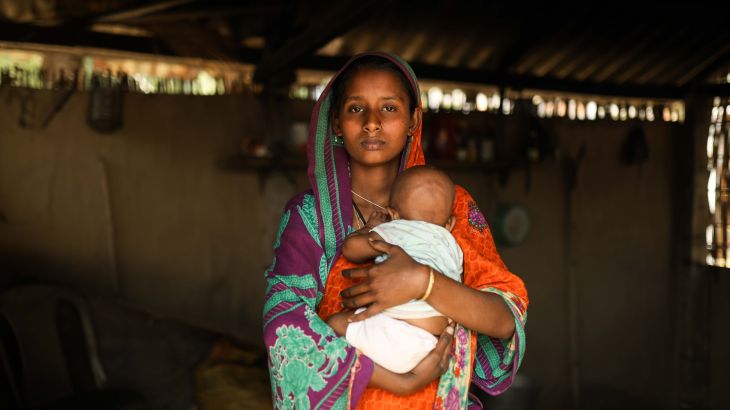
Child marriage in India leads to early pregnancies, which pose serious health risks. Young girls are not physically ready for childbirth, increasing the chances of complications, maternal mortality, and infant deaths.
Loss of Education
Once married, most girls drop out of school. This limits their future opportunities and keeps them trapped in a cycle of poverty.
Emotional and Psychological Impact
Early marriage can cause emotional distress, depression, and anxiety. Many girls are forced into responsibilities they are not mentally prepared for.
Economic Consequences
Child marriage in India contributes to long-term poverty. Without education or skills, individuals struggle to secure stable employment, affecting the economy as a whole.
Domestic Violence
Studies show that girls married early are more likely to face domestic violence and abuse, as they lack the power to assert their rights.
Child Marriage in India: Urban vs Rural Scenario
| Factor | Rural Areas | Urban Areas |
|---|---|---|
| Prevalence | High | Lower |
| Education Access | Limited | Better |
| Awareness | Low | Relatively higher |
| Law Enforcement | Weak | Stronger |
| Cultural Influence | Strong | Moderate |
While urban areas have seen significant improvement, rural regions still struggle with traditional practices and lack of awareness.
Government Initiatives to Stop Child Marriage in India
The Indian government has launched several programs to address child marriage:
Awareness Campaigns
Programs aim to educate communities about the harmful effects of early marriage and promote gender equality.
Education Schemes
Initiatives encourage girls to stay in school by providing scholarships, free education, and mid-day meals.
Financial Support Programs
Schemes like conditional cash transfers incentivize families to delay their daughters’ marriages.
Strict Law Enforcement
Authorities are increasingly taking action against those involved in child marriages, especially during mass wedding events.
Role of Society in Ending Child Marriage in India
Ending child marriage in India requires collective effort. Society plays a crucial role in changing mindsets and practices.
Families must prioritize education over early marriage. Communities need to challenge outdated traditions and support girls’ empowerment. Teachers, local leaders, and organizations must work together to spread awareness.
When society starts viewing girls as equal contributors rather than burdens, the problem of child marriage can be significantly reduced.
How to Prevent Child Marriage in India
Preventing child marriage in India involves a combination of legal, social, and educational efforts.
- Promote education for girls
- Raise awareness about legal consequences
- Empower women economically
- Strengthen law enforcement
- Encourage community participation
These steps, when implemented consistently, can bring lasting change.
Challenges in Eliminating Child Marriage in India
Despite progress, several challenges remain:
Deep-Rooted Traditions
Changing cultural beliefs takes time. Many communities still strongly believe in early marriage.
Weak Implementation of Laws
Even with strict laws, enforcement gaps allow child marriages to continue.
Lack of Awareness
Many people are unaware that child marriage is illegal and harmful.
Economic Constraints
Poverty continues to push families toward early marriages.
Addressing these challenges requires sustained effort from both government and society.
Future Outlook
India is gradually moving toward eliminating child marriage. Increased education, better awareness, and stronger legal enforcement are showing positive results.
However, achieving complete eradication will require long-term commitment. Empowering girls, improving economic conditions, and changing societal attitudes are key to a better future.
FAQs
1. What is the legal age for marriage in India?
The legal age is 18 years for females and 21 years for males. Marriages below this age are considered illegal under Indian law.
2. Why does child marriage still happen in India?
Child marriage in India persists due to poverty, lack of education, cultural traditions, and gender inequality.
3. Is child marriage punishable by law?
Yes, individuals involved in conducting or promoting child marriage can face imprisonment and fines.
4. What are the main effects of child marriage?
It leads to health risks, loss of education, emotional trauma, and economic hardship.
5. How can child marriage be prevented?
It can be prevented through education, awareness campaigns, strict law enforcement, and community support.
6. Which areas in India are most affected?
Rural and economically weaker regions have higher rates of child marriage compared to urban areas.
7. Can a child marriage be cancelled?
Yes, under the law, child marriages can be declared void or voidable, especially if reported in time.
Conclusion
Child marriage in India is a complex issue rooted in social, economic, and cultural factors. While laws and government initiatives have made progress, the problem still exists in many parts of the country. The effects are far-reaching, impacting health, education, and overall development.
Read More:-Child Marriage Act in India: Laws, Rights, and Penalties Explained
