Child marriage has long been a deeply rooted social issue in many parts of the world, including India. Despite modernization and legal reforms, the practice continues in certain regions due to cultural traditions, poverty, and lack of awareness. To combat this, the government introduced strong legal measures, most notably the child marriage act, to safeguard the rights and future of children.
The child marriage act plays a crucial role in preventing early marriages and ensuring that children, especially girls, are not forced into adulthood prematurely. Early marriage often leads to serious consequences such as interrupted education, health risks, and limited opportunities. Understanding this law is essential not only for legal awareness but also for promoting social change.
This article explores the key provisions, legal framework, penalties, and significance of the child marriage act in India in a detailed yet easy-to-understand manner.
What is the Child Marriage Act?
The child marriage act, officially known as the Prohibition of Child Marriage Act, 2006, is a law enacted by the Indian government to prohibit marriages involving minors. It replaced earlier legislation and strengthened the legal framework to prevent such practices more effectively.
Under this law, a child is defined as:
- A male below 21 years of age
- A female below 18 years of age
The act not only prohibits child marriages but also provides mechanisms to declare such marriages void or voidable, depending on the circumstances. It also ensures protection and relief for victims.
The primary aim of the child marriage act is to eliminate child marriage entirely and provide legal remedies to those affected.

Historical Background of Child Marriage Laws in India
Before the current law, India had earlier legislation like the Child Marriage Restraint Act of 1929, also known as the Sarda Act. However, it was largely ineffective due to weak enforcement and minimal penalties.
The need for a stronger law led to the introduction of the child marriage act in 2006. This law brought stricter punishments, better enforcement mechanisms, and clearer definitions.
The shift from “restraint” to “prohibition” marked a significant change. Instead of merely discouraging child marriages, the law now actively criminalizes and prevents them.
Key Objectives of the Child Marriage Act
The child marriage act is designed with multiple objectives in mind, focusing not just on prevention but also on protection and rehabilitation.
Some of the core objectives include:
- Preventing child marriages before they occur
- Protecting children from exploitation and abuse
- Providing legal remedies to victims
- Punishing those who promote or conduct such marriages
- Promoting awareness and social change
These objectives reflect a comprehensive approach to tackling the issue at both legal and societal levels.
Legal Provisions of the Child Marriage Act
The child marriage act includes several important provisions that define how the law operates and protects children.
Definition and Validity of Marriage
Under the law, child marriages are not automatically void but are considered “voidable” at the option of the contracting party who was a child at the time of marriage. This means the individual can choose to annul the marriage upon reaching adulthood.
However, in certain situations, such as when a child is forced or trafficked into marriage, the marriage can be declared void from the beginning.
Right to Annulment
A person who was married as a child has the right to file a petition in court to declare the marriage invalid. This must typically be done within two years of attaining majority.
This provision ensures that individuals have the freedom to decide their future once they become adults.
Maintenance and Residence
The child marriage act ensures that girls who leave such marriages are not left helpless. Courts can order maintenance and provide residence to the female contracting party until her remarriage.
This provision is especially important in protecting the financial and social well-being of victims.
Punishments and Penalties Under the Law
The child marriage act imposes strict penalties on those involved in child marriages. This includes not just the individuals getting married but also parents, guardians, and anyone facilitating the marriage.
Here is a quick overview:
| Offense | Punishment |
|---|---|
| Performing or conducting a child marriage | Up to 2 years imprisonment and/or fine |
| Promoting or permitting child marriage | Similar penalties apply |
| Adult male marrying a minor girl | Punishable under the law |
These penalties are designed to act as a strong deterrent and discourage the continuation of such practices.
Role of Child Marriage Prohibition Officers
To ensure effective implementation of the child marriage act, the government appoints Child Marriage Prohibition Officers (CMPOs). These officers play a vital role in preventing child marriages and protecting children.
Their responsibilities include:
- Preventing solemnization of child marriages
- Collecting evidence for prosecution
- Creating awareness in communities
- Assisting victims in accessing legal remedies
Their presence strengthens the enforcement of the law at the grassroots level.
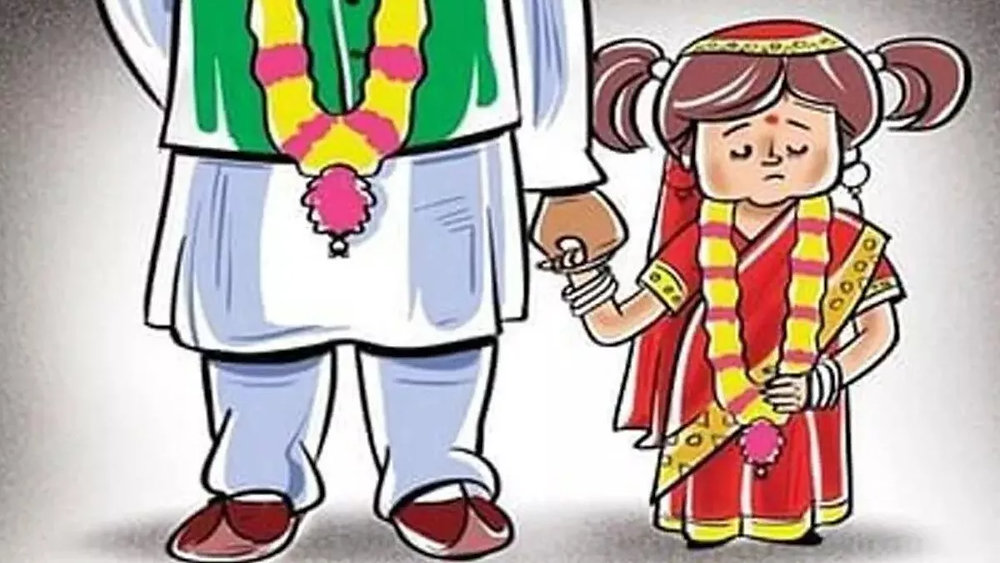
Impact of Child Marriage on Society
Understanding the importance of the child marriage act requires recognizing the harmful effects of child marriage itself.
Child marriage often leads to early pregnancies, which can pose serious health risks to young girls. It also disrupts education, limiting opportunities for personal and professional growth. In many cases, it perpetuates cycles of poverty and gender inequality.
Beyond individual consequences, child marriage impacts society as a whole by hindering economic development and social progress. When young individuals are denied education and opportunities, the entire community suffers.
Challenges in Implementation
Despite the existence of the child marriage act, several challenges hinder its effective implementation.
One major issue is the lack of awareness in rural and remote areas. Many families are unaware of the legal consequences or continue to prioritize traditional practices over the law.
Another challenge is underreporting. Victims often do not come forward due to social pressure, fear, or lack of support. Additionally, enforcement agencies may face difficulties in monitoring and preventing such marriages in isolated regions.
Addressing these challenges requires a combination of legal enforcement, education, and community involvement.
Measures to Prevent Child Marriage
Preventing child marriage requires a multi-dimensional approach. The child marriage act provides a legal framework, but social efforts are equally important.
Effective measures include:
- Promoting education, especially for girls
- Raising awareness about legal rights
- Strengthening community participation
- Providing economic support to vulnerable families
These efforts can significantly reduce the incidence of child marriage and support the goals of the law.
Importance of Awareness and Education
Awareness is one of the most powerful tools in combating child marriage. When people understand the consequences and legal implications, they are more likely to avoid such practices.
Educational programs, community campaigns, and government initiatives play a key role in spreading awareness about the child marriage act. Schools and local organizations can also contribute by educating young individuals about their rights.
Empowering children with knowledge ensures they can make informed decisions about their lives.
FAQs
What is the legal age for marriage under the child marriage act?
The legal age is 18 years for females and 21 years for males. Any marriage below this age falls under the scope of the child marriage act and is subject to legal action.
Is a child marriage completely invalid?
Not always. Most child marriages are considered voidable, meaning they can be annulled by the individual after reaching adulthood. However, in certain cases, such as forced marriage, they can be declared void.
Who can file a complaint under the child marriage act?
A complaint can be filed by the child involved, their relatives, Child Marriage Prohibition Officers, or any concerned individual aware of the situation.
What punishment is given for conducting child marriage?
Those who perform, promote, or allow child marriage can face imprisonment of up to two years and may also be fined under the child marriage act.
Can a girl get financial support after leaving a child marriage?
Yes, the law provides for maintenance and residence to ensure that the girl is not left without support after leaving the marriage.
Conclusion
The child marriage act is a powerful legal instrument aimed at eradicating child marriage and protecting the rights of children in India. While the law provides strong provisions and penalties, its true effectiveness depends on awareness, enforcement, and societal change.
Child marriage is not just a legal issue but a social one that requires collective effort. Families, communities, and authorities must work together to ensure that children are given the opportunity to grow, learn, and build a better future.
Read More:-Child Marriage Drawing: Powerful Art Ideas & Meaning Guide
