Art has always been a powerful medium for expressing emotions, social issues, and cultural realities. Among many pressing global concerns, child marriage stands out as a deeply rooted problem that affects millions of young lives. A thoughtfully created child marriage drawing can communicate this issue in a way that words sometimes cannot. Through visuals, artists can evoke empathy, raise awareness, and inspire change in society.
When we talk about a child marriage drawing, we are not just referring to an artistic activity but to a meaningful representation of a social issue. Such drawings often depict innocence lost too soon, dreams interrupted, and the emotional burden placed on children. These artworks are widely used in schools, competitions, awareness campaigns, and social media to educate people and spark conversations about ending child marriage.
Creating a child marriage drawing is not limited to professional artists. Students, beginners, and even children can participate in this form of expression. What matters most is the message behind the artwork. In this article, you will explore ideas, themes, techniques, and deeper meanings behind creating impactful child marriage drawings.
Understanding the Concept of Child Marriage Through Art
A child marriage drawing is more than just a sketch—it is a storytelling tool. It reflects the harsh reality where young children, especially girls, are forced into marriage before they are emotionally or physically ready. Through art, this issue becomes more relatable and easier to understand.
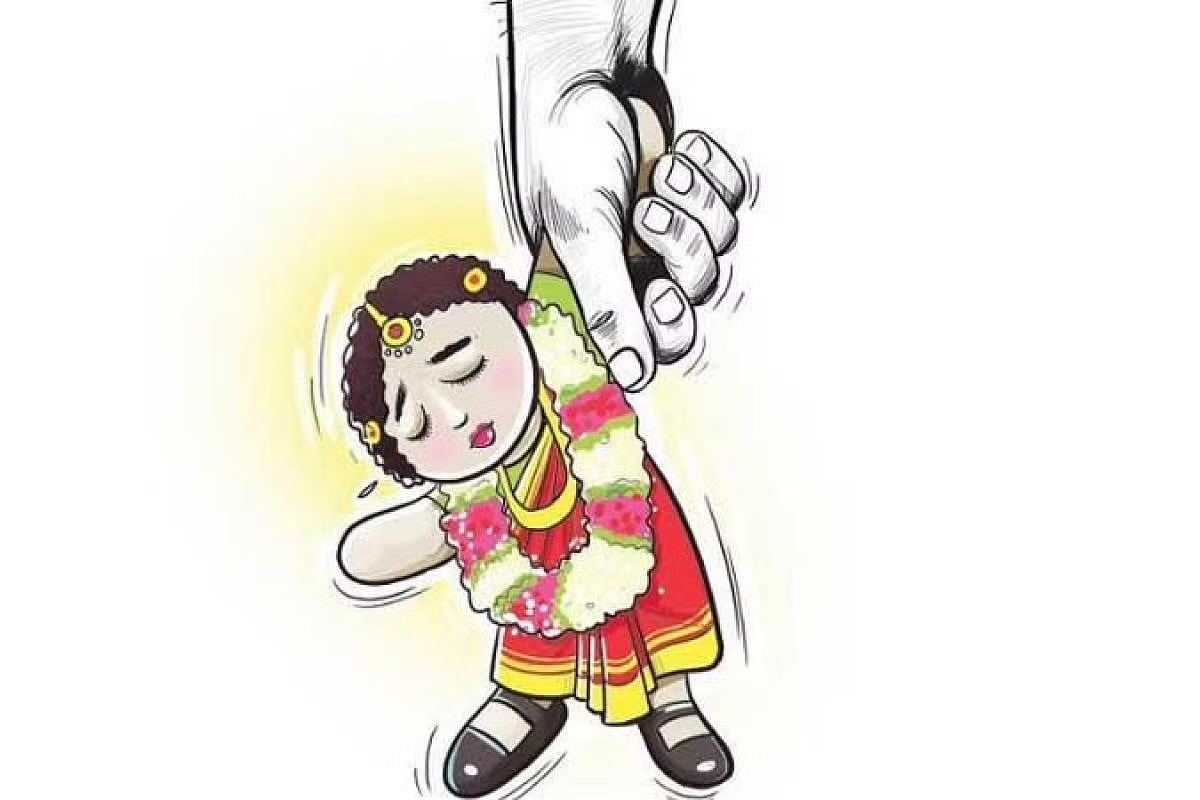
In many drawings, artists show contrasting elements such as toys alongside wedding symbols. This contrast highlights the loss of childhood. For example, a girl holding a doll while wearing bridal attire can instantly communicate the injustice of child marriage. Such visuals create a lasting impact on viewers because they connect emotionally.
Artists often use symbolism in a child marriage drawing to express complex ideas simply. Broken toys, dark backgrounds, tears, and chains are commonly used to represent lost freedom and suppressed dreams. On the other hand, brighter elements like books or school settings can symbolize hope and the importance of education.
Importance of Child Marriage Drawings in Awareness Campaigns
A child marriage drawing plays a crucial role in awareness campaigns because visuals are easier to remember than text. Governments, NGOs, and educational institutions often use these drawings to spread awareness among communities where child marriage is still practiced.
These drawings are especially effective in rural or less literate areas where written communication may not reach everyone. A single powerful image can convey the message clearly and quickly. It can make people reflect on the consequences of child marriage, such as health risks, lack of education, and emotional trauma.
Moreover, competitions and exhibitions featuring child marriage drawings encourage young minds to think critically about social issues. When students participate, they not only improve their artistic skills but also develop a sense of social responsibility. This combination of creativity and awareness makes such drawings highly impactful.
Creative Ideas for Child Marriage Drawing
Coming up with the right idea is the first step in creating an impactful drawing. A meaningful concept ensures that your artwork stands out and delivers a strong message.
Some popular and effective ideas for a child marriage drawing include:
- A young bride crying while holding her school books
- A broken doll lying next to wedding decorations
- A child reaching out toward a school while being pulled into marriage
- Half-page contrast showing childhood vs married life
These ideas focus on emotions and storytelling rather than just visuals. The goal is to make the viewer pause and think about the consequences of child marriage. When you choose a concept, ensure it aligns with the message you want to convey.
Step-by-Step Guide to Creating a Child Marriage Drawing
Creating a meaningful child marriage drawing requires both planning and creativity. While artistic skills are important, the message behind the drawing is equally crucial.
Start by deciding the theme and message. Ask yourself what you want the viewer to feel—sadness, awareness, or hope. Once the idea is clear, begin with a rough sketch. This helps you plan the composition and placement of elements.
Next, focus on expressions and details. Facial expressions play a major role in conveying emotions. A simple tear or a sad face can make the drawing more impactful. Pay attention to small details like clothing, background, and objects that add meaning to the scene.
Finally, add colors carefully. Dark shades can be used to represent sadness and seriousness, while lighter colors can symbolize hope and change. The use of contrast in colors can make your child marriage drawing more visually striking.
Themes and Symbolism Used in Child Marriage Drawings
Themes are essential in making your drawing meaningful and relatable. Different themes can highlight various aspects of child marriage, making your artwork more engaging.
Some commonly used themes include:
- Loss of childhood and innocence
- Importance of education over marriage
- Emotional and mental impact on children
- Social pressure and traditions
Symbolism enhances these themes by adding depth to the drawing. For example, chains can represent restriction, while open books symbolize freedom and knowledge. A dark sky can indicate a gloomy future, whereas a rising sun can suggest hope for change.
Using themes and symbols effectively ensures that your child marriage drawing communicates a strong and clear message without needing too many words.
Key Elements in a Child Marriage Drawing
| Element | Meaning/Representation | Example in Drawing |
|---|---|---|
| Toys (Doll, Ball) | Childhood and innocence | Child holding a doll in bridal dress |
| Books/School | Education and future opportunities | Girl looking at a distant school |
| Tears/Expressions | Emotional pain and helplessness | Crying child bride |
| Chains/Barriers | Restriction and lack of freedom | Child tied to wedding rituals |
| Dark Background | Fear, sadness, and uncertainty | Night setting with dim lighting |
This table highlights how different elements contribute to the overall meaning of a child marriage drawing and make it more impactful.
Role of Colors in Enhancing the Message
Colors play a significant role in making your drawing visually appealing and emotionally powerful. In a child marriage drawing, colors are often used strategically to highlight the seriousness of the issue.
Dark colors like black, grey, and deep blue are commonly used to represent sadness, fear, and hopelessness. These shades create a heavy atmosphere that reflects the reality of child marriage. On the other hand, bright colors like yellow and green can be used to show hope, education, and a better future.
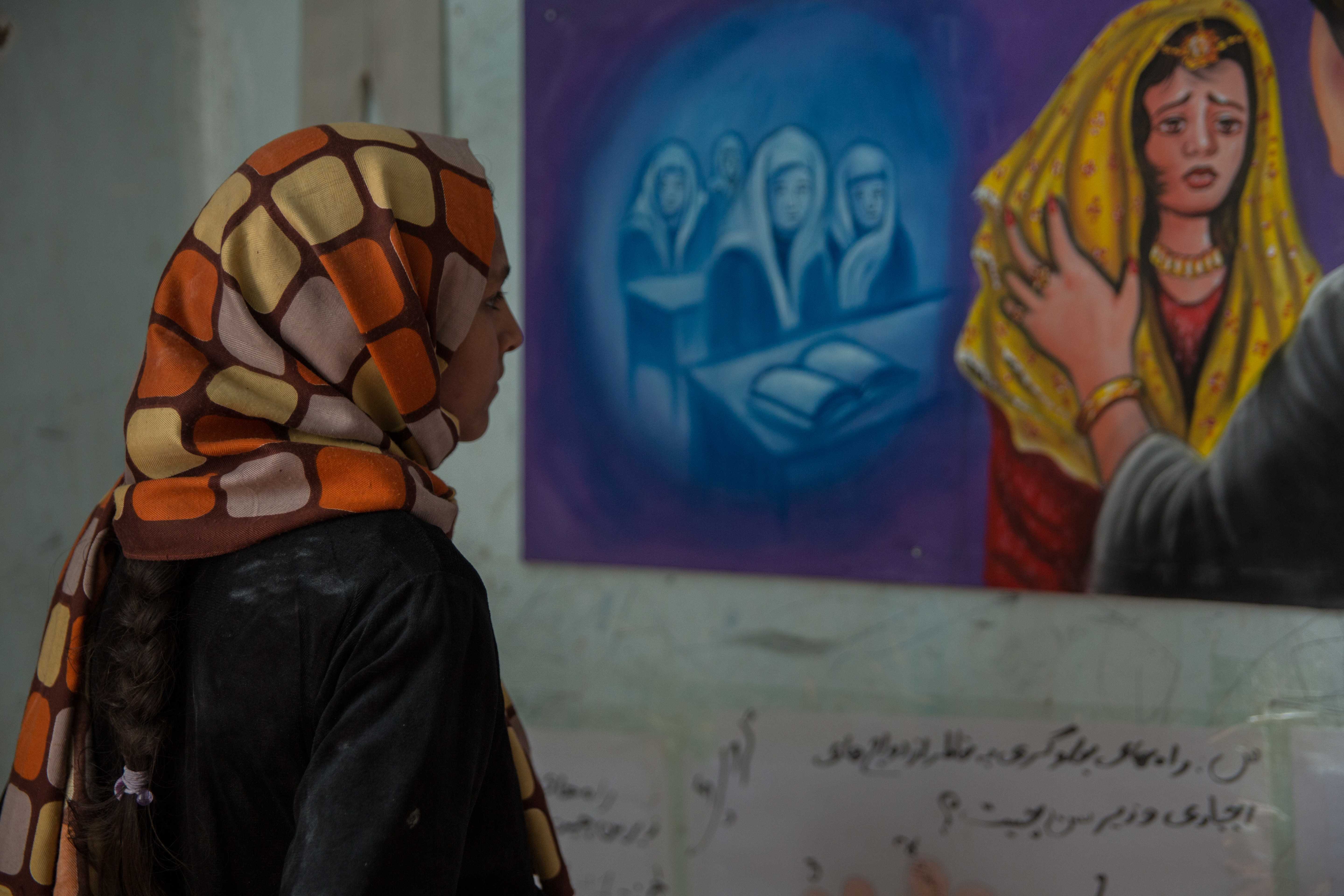
Using contrasting colors in different parts of the drawing can also create a strong visual impact. For example, a bright school scene on one side and a dark wedding scene on the other can effectively show the difference between childhood and forced marriage.
Common Mistakes to Avoid While Drawing
While creating a child marriage drawing, certain mistakes can reduce the impact of your artwork. Being aware of these can help you improve your drawing and make it more effective.
One common mistake is focusing too much on decoration rather than the message. Remember, the purpose of the drawing is to spread awareness, not just to look beautiful. Another mistake is overcrowding the drawing with too many elements, which can confuse the viewer.
Also, avoid unclear expressions or weak storytelling. If the viewer cannot understand the message easily, the drawing loses its purpose. Keep your concept simple, clear, and emotionally strong.
Educational Value of Child Marriage Drawings
A child marriage drawing is not just an artistic activity but also an educational tool. It helps students understand social issues in a creative and engaging way. By drawing and analyzing such topics, students become more aware of the realities around them.
Teachers often use these drawings in classrooms to start discussions about child rights, gender equality, and the importance of education. This method is more interactive compared to traditional teaching, making it easier for students to connect with the topic.
Moreover, creating a child marriage drawing encourages empathy. When students try to depict the emotions of affected children, they develop a deeper understanding of the issue. This emotional connection can inspire them to become advocates for change.
FAQs
What is a child marriage drawing?
A child marriage drawing is an artwork that visually represents the issue of child marriage. It highlights the emotional, social, and psychological impact of early marriage on children, often using symbolism and storytelling.
Why is child marriage drawing important?
It is important because it raises awareness about a serious social issue. Visual art can communicate complex messages quickly and effectively, making it easier for people to understand the consequences of child marriage.
What are the best themes for a child marriage drawing?
Themes like loss of childhood, importance of education, emotional suffering, and social pressure are commonly used. These themes help convey the seriousness of the issue in a meaningful way.
Can beginners create a child marriage drawing?
Yes, beginners can easily create such drawings. The focus should be on the message rather than perfection. Simple sketches with strong emotions can be very effective.
How can I make my drawing more impactful?
You can make your drawing more impactful by using clear expressions, meaningful symbols, and contrasting colors. Keeping the message simple and focused also helps in creating a strong impression.
Conclusion
A child marriage drawing is a powerful way to address a sensitive and critical social issue. Through simple yet meaningful visuals, artists can highlight the harsh realities faced by children forced into early marriages. These drawings not only spread awareness but also encourage conversations that can lead to change.
Read More:-Child Marriage Restraint Act: Complete Legal Guide Explained
