Introduction
In today’s innovation-driven world, protecting your ideas is just as important as creating them. Whether you are an inventor, entrepreneur, or startup founder, understanding intellectual property rights can make the difference between success and loss. One of the most important legal tools available for safeguarding inventions is the patent system, which grants exclusive rights to inventors for their creations.
A patent application is the formal request submitted to a government authority to secure legal protection for an invention. It ensures that no one else can manufacture, use, or sell your invention without permission. Filing correctly is essential because even small mistakes can delay approval or lead to rejection.
This comprehensive guide will walk you through everything you need to know—from the basics to advanced insights—so you can confidently navigate the entire process of protecting your invention and turning it into a valuable asset.
Understanding Patents and Their Importance
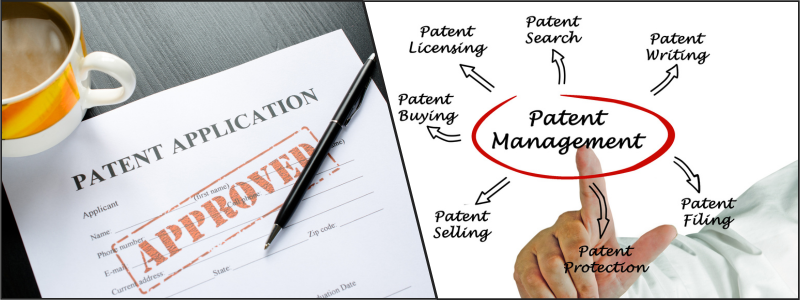
Before diving deeper into technical steps, it is important to understand what a patent actually represents. A patent is a legal right granted to an inventor for a limited period, usually 20 years, giving them exclusive control over their invention.
When you submit a patent application, you are essentially asking the government to recognize your invention as original, useful, and non-obvious. Once granted, it prevents others from copying or commercially exploiting your idea without permission.
Patents are crucial in industries like technology, pharmaceuticals, engineering, and manufacturing because they encourage innovation while ensuring creators are rewarded for their efforts. Without such protection, many inventors would hesitate to share their ideas publicly.
Step-by-Step Process of Filing a Patent
The journey from idea to granted patent involves multiple stages. Each step must be completed carefully to avoid legal or technical issues later.
A patent application typically begins with documenting your invention in detail. This includes drawings, descriptions, and explanations of how it works. After this, a prior art search is conducted to ensure your invention is truly unique.
Once originality is confirmed, the application is drafted with claims defining the scope of protection. The document is then submitted to the patent office, where it undergoes formal examination.
During this stage, examiners may raise objections or request clarifications. Responding accurately is crucial. If everything is satisfactory, the patent is granted and published in the official registry.
The entire process can take months or even years depending on complexity and jurisdiction, but careful preparation significantly increases approval chances.
Types and Components of a Patent System
There are different types of patents, each serving a specific purpose. Understanding these categories helps inventors choose the right protection strategy.
A patent application may fall under utility patents, design patents, or plant patents depending on the invention type. Utility patents protect functional aspects, design patents cover appearance, and plant patents apply to new plant varieties.
Each application generally includes key components such as title, abstract, background, detailed description, claims, and drawings. These sections collectively define the invention and its legal boundaries.
A strong application clearly explains the technical problem, the solution provided, and how it differs from existing inventions. Poorly structured documentation is one of the leading causes of rejection.
Below is a simple comparison table to understand patent types:
| Patent Type | Protection Focus | Example Use Case | Duration |
|---|---|---|---|
| Utility Patent | Function or process | Machines, software processes | 20 years |
| Design Patent | Visual appearance | Product shapes, packaging | 15 years |
| Plant Patent | New plant varieties | Hybrid agricultural plants | 20 years |
Understanding these categories helps inventors decide how to structure their patent application effectively.
Costs, Timeline, and Important Factors
Filing a patent involves both time and financial investment. Costs vary depending on legal assistance, complexity, and country regulations. Government fees, attorney charges, and examination fees all contribute to the total expense.
A patent application timeline is not fixed. Simple inventions may be processed within 1–2 years, while complex technologies can take longer due to multiple examination stages and legal clarifications.
Below is a general breakdown of cost and timeline factors:
| Stage | Estimated Time | Approximate Cost Factors |
|---|---|---|
| Prior Art Search | 2–4 weeks | Research tools, expert review |
| Drafting Application | 2–6 weeks | Legal drafting fees |
| Filing Submission | 1–2 days | Government filing fees |
| Examination Phase | 6–24 months | Office actions, responses |
| Grant Publication | 1–3 months | Final approval charges |
Several factors influence approval speed, including clarity of documentation, technical complexity, and response time to examiner queries. A well-prepared patent application can significantly reduce delays.
Common Mistakes to Avoid in Patent Filing

Many inventors face rejection not because their ideas lack value, but because of avoidable mistakes during preparation. One common issue is incomplete documentation, where essential technical details are missing or unclear.
Another frequent problem is poor claim drafting. Claims define the legal scope of protection, and if they are too broad or too narrow, they can weaken the entire case.
A patent application can also be rejected if prior art is not properly analyzed. If a similar invention already exists, the chances of approval drop significantly.
Additionally, many applicants delay responses during examination, which can lead to abandonment. Proper communication and timely action are essential for success.
Understanding these mistakes helps inventors improve their filing strategy and increase approval chances.
Expert Tips for a Strong Patent Filing Strategy
Creating a strong patent strategy requires both technical accuracy and legal awareness. One of the most important steps is conducting a thorough prior art search before drafting your application.
Working with a qualified patent professional can also make a significant difference. They help structure claims effectively and ensure compliance with legal standards.
A well-prepared patent application should always focus on clarity, uniqueness, and practical usefulness. Avoid vague language and ensure every technical aspect is clearly explained.
It is also recommended to document your invention development process from the beginning. This helps establish originality and can be useful during disputes or examinations.
Finally, always review your application multiple times before submission to eliminate errors and inconsistencies.
Key Takeaways
A patent application is essential for protecting inventions and securing exclusive rights. It plays a vital role in encouraging innovation and safeguarding intellectual property.
Proper documentation, prior art search, and accurate claim drafting are crucial for approval. Mistakes in these areas often lead to rejection or delays.
Understanding different patent types helps inventors choose the right protection strategy. Additionally, costs and timelines vary depending on complexity and legal requirements.
With the right preparation and expert guidance, inventors can significantly improve their chances of success and turn their ideas into valuable assets.
FAQs
1. What is the purpose of a patent application?
It is used to request legal protection for an invention, ensuring exclusive rights for the inventor.
2. How long does the patent process take?
It can take anywhere from 1 to 3 years depending on complexity and jurisdiction.
3. Can I file a patent application myself?
Yes, but professional assistance is recommended to avoid legal errors.
4. What happens after filing?
The application is examined, and objections may be raised before approval.
5. Is every invention patentable?
No, only inventions that are new, useful, and non-obvious qualify.
6. What are the main costs involved?
Costs include filing fees, attorney charges, and examination expenses.
7. Can a patent be rejected?
Yes, due to lack of originality, poor documentation, or prior existing inventions.
Conclusion
Securing intellectual property is one of the most important steps for any inventor or business owner. A well-prepared patent application not only protects your innovation but also adds commercial value and long-term security to your idea.
From understanding the basics to managing documentation, costs, and legal requirements, every step plays a critical role in determining success. With careful planning, attention to detail, and proper guidance, inventors can navigate the process smoothly and confidently.
In a competitive world where innovation drives progress, protecting your ideas is not optional—it is essential for long-term growth and recognition.
